If you’re exploring a custom home, you’re probably asking the same question most homeowners ask early on: what does it actually cost?
In this blog, we explain what custom homes typically cost in Boston MetroWest and Central Massachusetts, what drives that range, and how to think about traditional and high-performance home planning more realistically.
Here's what you'll find in this blog:
-
How Much Does a Custom Home Cost in Boston MetroWest & Central MA?
-
What Does “High-Performance Home” Mean, And Does It Always Cost More?
-
How Long Does It Take To Build A Custom Home In Massachusetts?
-
How Gilmore Building Co. Helps Homeowners Plan a Custom Home
How Much Does a Custom Home Cost in Boston MetroWest & Central MA?
For many custom homes in this region, a realistic early budget range is $1.2 million to $2.0 million+. That number is best understood as an early budget range, not a fixed quote.
It can be a helpful starting point, but it becomes much more useful once the lot, design direction, and level of detail are clear enough to price real conditions instead of assumptions. A custom home’s final cost depends on far more than square footage alone.
Site conditions, architectural detail, finish level, structural complexity, and performance goals can all move a project significantly within that range.
Why Costs Vary More Than Expected
That is why early “starting at” numbers can be misleading.
Two homes with similar size on paper can land in very different budget ranges depending on the lot, the design, and what is actually included.
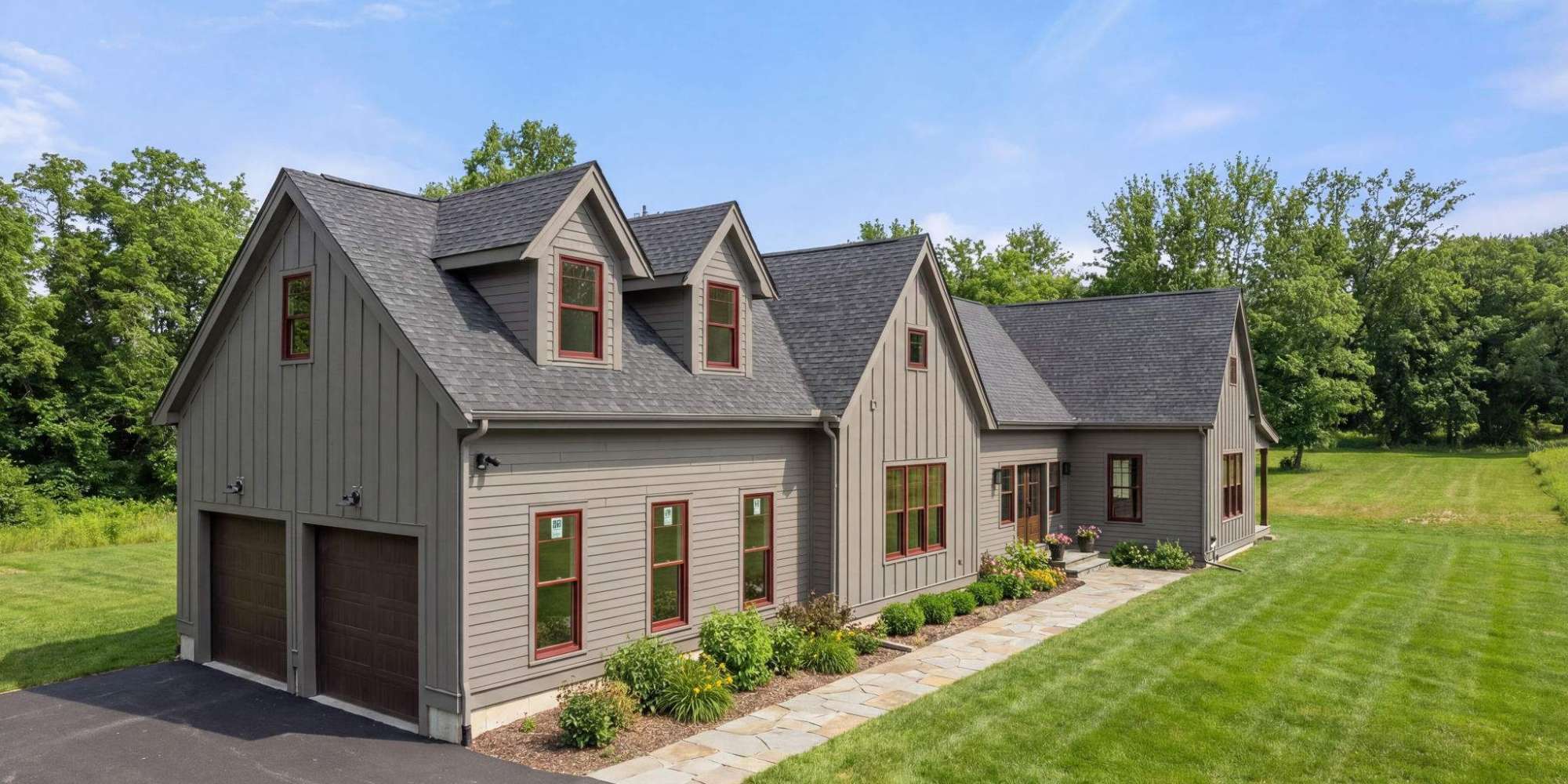
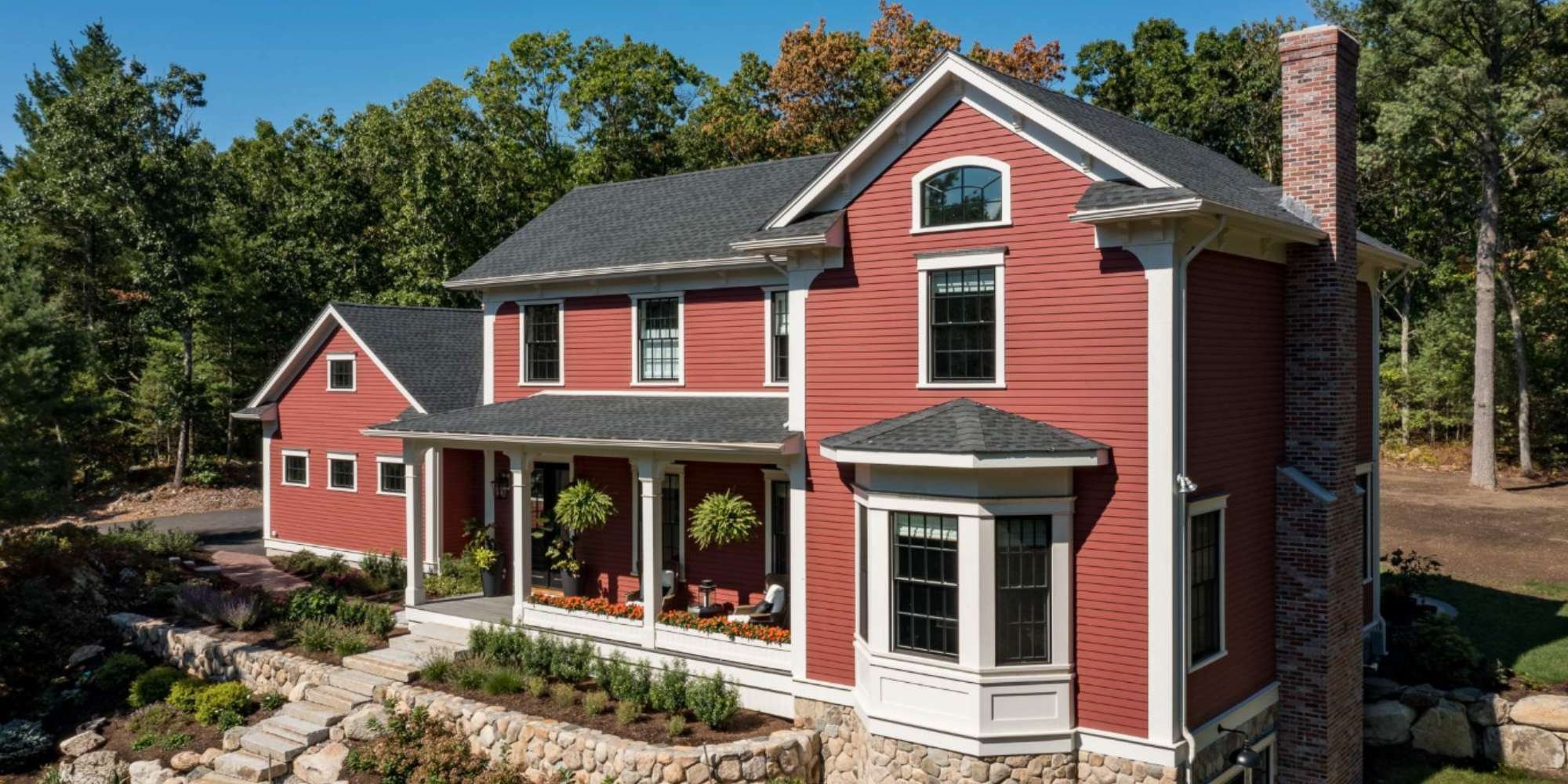
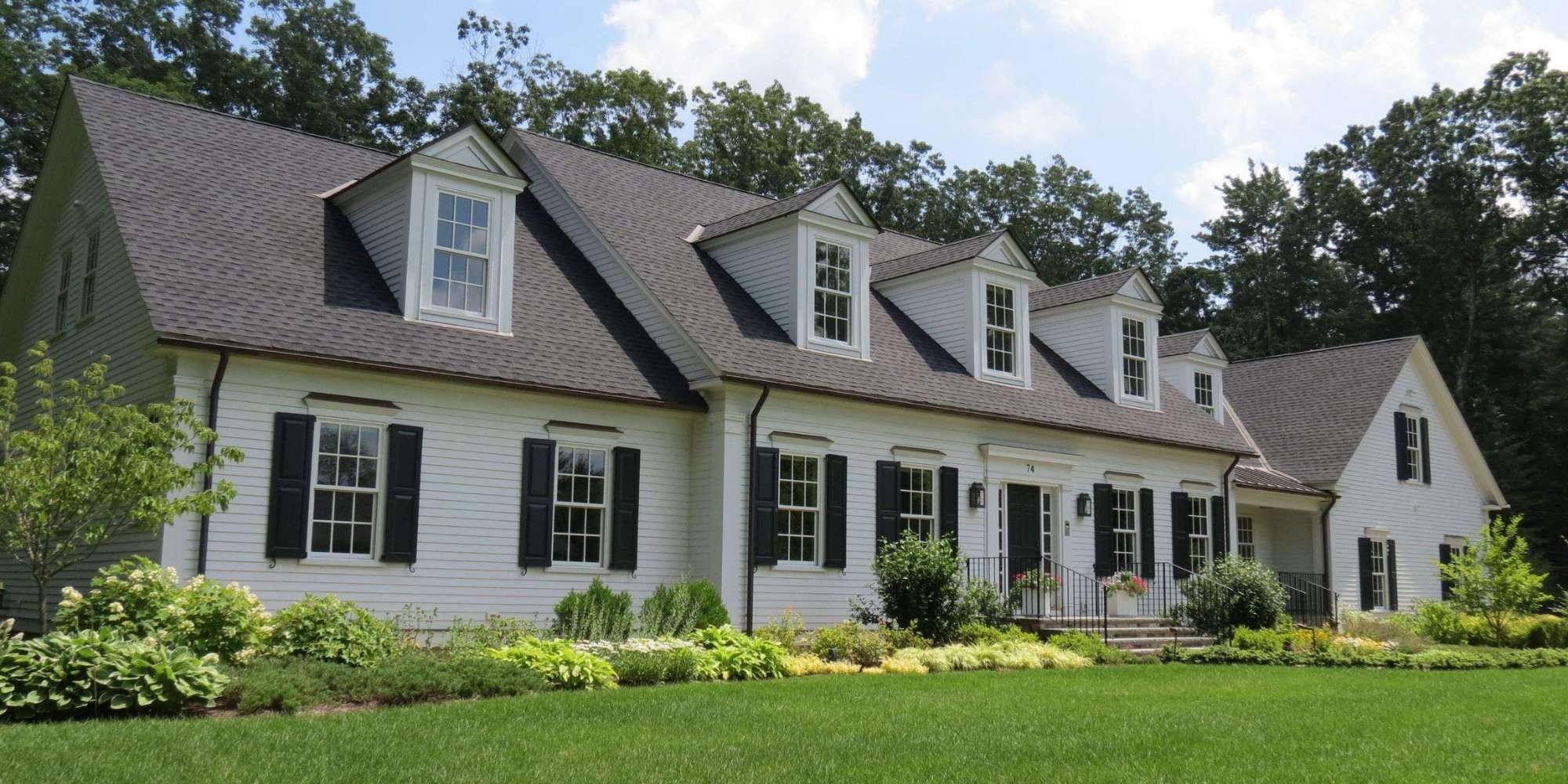
For traditional New England or “New Old Home” projects, architectural detailing can also move the budget, especially when exterior character depends on more custom trim, rooflines, and window work.
If you are comparing custom home pricing across builders, make sure you understand what is actually included. A lower number may leave out site work, permitting, engineering, design development, or finish assumptions that materially affect the real investment.
What Does a Custom Home Price Range Include?
A ballpark range is only useful if it reflects the kind of project you are actually considering. In this case, the $1.2 million to $2.0 million+ range generally assumes a true custom home with realistic construction standards and a clearly defined scope.
That usually means the range reflects more than just the house on paper, including:
- Project management and trade coordination
- Code-compliant construction
- Site realities such as access, utilities, drainage, and lot conditions
- Realistic finish and craftsmanship expectations
- Planning assumptions that go beyond the floor plan alone
This is also where “starting at” comparisons can become misleading. One builder may be including site planning, permitting coordination, and realistic finish assumptions, while another may leave those items vague or exclude them altogether. In some cases, the lower number is simply the one that has left more undefined.
Are Land, Site Work, and Permits Included in Custom Home Costs?
The $1.2 million to $2.0 million+ range reflects the cost to build the home, including the site work and permitting needed to complete the project. It does not include the cost of land.
Land is evaluated separately because lot prices vary widely across Boston MetroWest and Central Massachusetts. Site work and permitting are part of the build cost, but the amount can vary significantly depending on the lot, local requirements, and the complexity of the project.
That is why two pricing ranges may look similar on paper while accounting for very different levels of site and permitting complexity.
What Factors Affect The Cost Of A Custom Home The Most?
No single factor determines the cost of a custom home. Two homes with similar square footage can land in very different price ranges depending on the lot, the design, the level of finish, and the performance goals behind the project.
The biggest cost drivers usually include:
- Land and site conditions
- Home size and design complexity
- Traditional New England architecture and the “New Old Home” approach
- Finish level and selection complexity
- Energy-efficient and high-performance home goals
- Permits, engineering, and local requirements
Land And Site Conditions
The lot can have a major impact on the budget before the house itself is even underway. The lot is one of the fastest ways a rough budget can stop being useful, because site work is often where paper assumptions meet real conditions.
Grading, drainage, excavation, ledge, groundwater, access, utility connections, and septic requirements can all change the scope of work.
Home Size and Design Complexity
Square footage matters, but complexity often matters just as much.
Multiple rooflines, large spans, bump-outs, specialty spaces, and more involved structural requirements all add coordination, labor, and detailing. A simpler layout can still feel custom and high-end without carrying the same level of construction complexity.
Traditional New England Architecture And The “New Old Home” Approach
Many Gilmore clients want a home that feels like it belongs in New England. Traditional proportions, detailed trim, thoughtful window placement, porch details, rooflines, and built-ins can all affect the budget because they take more design intention and execution to get right.
Finish Level And Selection Complexity
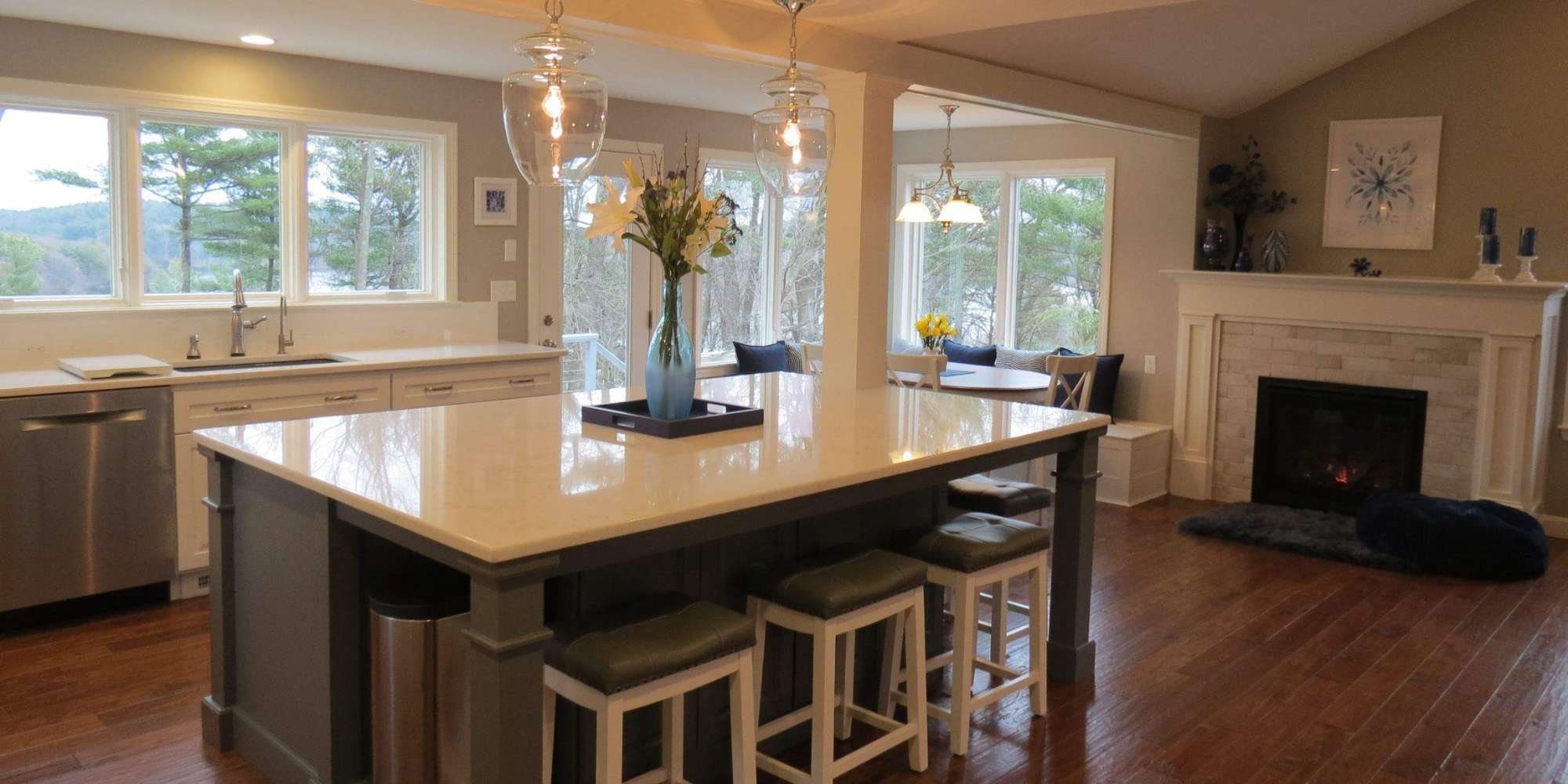
Finish level affects both material cost and installation cost. Cabinetry, tile, flooring, millwork, lighting, and built-in features can all move the budget, especially when upgraded selections are repeated throughout the home.
Energy-Efficient And High-Performance Home Goals
For some homeowners, better performance means a more comfortable, efficient, and durable home. For others, it means going further with advanced assemblies, air sealing, energy modeling, or net zero strategies. Defining those goals early makes them easier to integrate and budget for realistically.
Permits, Engineering, And Local Requirements
Some cost drivers are less visible, but still important. Structural engineering, energy-code compliance, utility coordination, site-related approvals, and local review can all affect cost and timeline, especially when they are discovered later instead of planned for early. If your plans include an accessory dwelling unit, understanding the latest ADU laws in Boston MetroWest and Central MA can also help you determine what is possible before design and budgeting begin.
What Does “High-Performance Home” Mean, And Does It Always Cost More?
A high-performance home is designed to deliver better comfort, energy efficiency, indoor air quality, and long-term durability than a standard code-built home.
That often includes:
- Better windows and insulation strategies
- More detailed air sealing and assembly design
- Mechanical systems designed for comfort and indoor air quality
- More planning and coordination early in the project
Does a High-Performance Home Cost More?
Many homeowners hear “high-performance home” and assume it automatically means a much higher price.
In reality, the cost depends on what you want the home to do and how early those goals are defined. For some homeowners, high performance means better comfort and lower energy use. For others, it means going further with more advanced systems, assemblies, or net-zero goals.
Performance-related costs usually come from upgraded components, more detailed execution, and the planning required to make those systems work together well.
When performance is part of the design from the start, it is usually easier to budget for than when it is added later.
How Long Does It Take To Build A Custom Home In Massachusetts?
Most custom homes take longer than homeowners expect because the timeline includes much more than construction alone.
With the design-build method, the process usually includes:
- Design and planning
- Permitting and approvals
- Construction
From start to finish, a custom home project often takes well over a year, and in many cases longer, depending on the town, the complexity of the home, site conditions, and how fully decisions are made before construction begins.
That is one reason early planning matters so much. Many of the delays people associate with construction actually begin earlier, when key decisions about scope, selections, and approvals are still unresolved.
FAQ: Custom Home Pricing In Boston MetroWest & Central MA
What Is the most expensive part of building a custom home?
There usually isn’t one single answer. In most custom homes, the biggest cost drivers are the combination of site work, structural complexity, finish level, mechanical systems, and architectural detail. That’s why two homes with similar square footage can end up in very different budget ranges.
Is it cheaper to buy or build a house in Massachusetts?
Buying often has a lower upfront cost, but that is only part of the decision. For many homeowners, building makes more sense when they want a home that fits the lot, supports the way they live, and performs the way they want over the long term. A well-planned design-build process can also make it easier to align design, budget, and construction decisions from the start.
Should I hire an architect or builder first for a custom home?
For many homeowners, starting with a design-build team makes the process easier to manage. It allows the design, budget, and construction planning to stay aligned earlier, which can help reduce surprises as the project takes shape.
Why do two similar homes have different prices?
Square footage is only part of the picture. Site conditions, design complexity, finish selections, and performance goals can all change the budget in a meaningful way, even when two homes look similar on paper.
How Gilmore Building Co. Helps Homeowners Plan a Custom Home
Gilmore Building Co. helps homeowners align the lot, design direction, budget, and performance goals before early in the project to ensure satisfaction and success.
That matters because early pricing can become misleading when too many details are still undefined. Our process is designed to help homeowners make decisions with more confidence and less risk.
With careful planning and clear communication, homeowners can move forward with fewer surprises.
Planning a Custom Home in Boston MetroWest & Central MA?
Early pricing is a starting point, but it becomes more useful once your project is better defined.
If you’re considering a custom home in Boston MetroWest or Central Massachusetts, Gilmore Building Co. can help you think through the next steps and a realistic investment range for your home. Schedule a consultation to start the conversation.