If you're thinking about a large-scale home remodel, you're probably wondering, "How long will construction take?" This is a great question to ask in the early stages of planning. The remodeling process actually starts much earlier, typically months before construction even begins.
In this blog, we break down how long a large-scale remodel takes in Boston MetroWest and Central Massachusetts. You’ll learn the key phases, what impacts the timeline, and how early planning, including energy-efficient retrofits, affects the overall schedule.
Here’s what you’ll learn about large-scale remodeling timelines:
- How Long Does a Whole Home Remodel Take?
- Phase 1: Design & Pre-Construction
- Phase 2: Permitting & Approvals
- Phase 3: Construction
- How Energy-Efficient Retrofits Affect the Timeline
- What Causes Delays in Remodeling Projects?
-
How The Design-Build Process Helps Keep Your Timeline On Track
- Checklist: Is Your Remodeling Timeline Realistic?
- How Gilmore Building Co. Manages Remodeling Timelines
- Frequently Asked Questions
- Are You Ready to Start Planning Your Whole Home Remodel?
How Long Does a Whole Home Remodel Take in Boston MetroWest & Central MA?
Most large-scale remodeling projects take 10-21+ months from initial planning through construction, depending on complexity. Decision-making and coordination drive the timeline more than construction speed, and poor planning has the potential to slow things down at every stage.
The key phases of the whole home remodeling process:
- Design and planning: 3-6 months
- Permitting: 1-3 months
- Construction: 6-12+ months
Phase 1: Design & Pre-Construction (3-6+ Months)
The design phase is where the most important decisions are made, and where many timeline problems are either prevented or created. Rushing into the construction phase with incomplete designs leads to changes mid-project, which can significantly extend the timeline.
Fully developing the project scope before building begins helps ensure the construction phase is completed smoothly without major delays.
This phase includes:
- Layout decisions
- Structural Planning
- Budget alignment
- Early energy-efficiency strategy
- Material and finish selections
If you’re planning an energy-efficient retrofit, which can include insulation upgrades, air sealing, and HVAC redesign, this must be planned during this first phase, not during construction.
Phase 2: Permitting & Approvals (1-3+ Months)
Permitting timelines vary by city or town and can significantly impact the overall schedule. The process might be faster in certain Boston MetroWest towns than others, and there are special zoning considerations for historic districts.
Different municipalities also require specific inspections, and permit applications may need to be revised. Smaller towns can have faster processes, but older houses often require more review.
Phase 3: Construction (6-12+ Months)
Construction timelines depend on project complexity, sequencing, and how well decisions were finalized during the design phase. Projects with a higher level of customization take longer to complete due to coordination between trades and sourcing materials, not just labor.
Here’s what you can expect during the construction phase:
- Demolition and structural work:
Removing old material and preparing your home’s structure for new upgrades. - Insulation and air sealing:
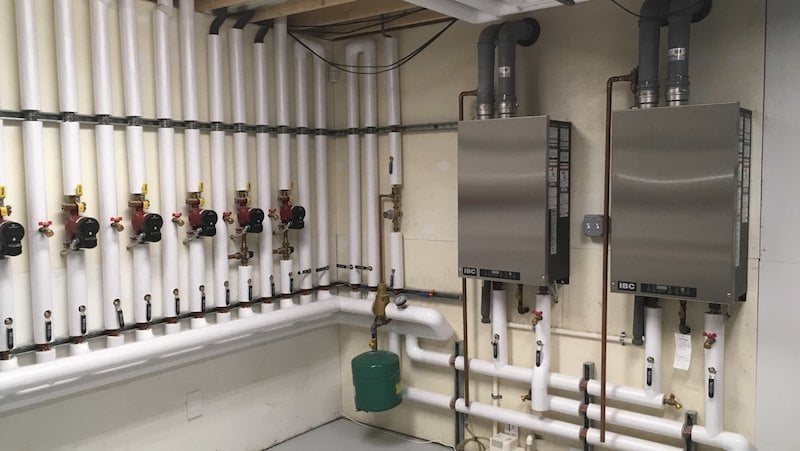
Old, underperforming insulation is replaced, and any air seal issues are addressed. - Mechanical systems installation:
HVAC and any other systems you plan to add are installed according to the plans made in the design phase. - Finishes:
The final touches, including cabinetry, flooring, and paint, make up the last stage of the construction phase.
How Energy-Efficient Retrofits Affect the Timeline
Energy-efficient home designs can extend the planning phase slightly but often reduce delays during construction. Air sealing and insulation strategies require extra coordination, while redesigning mechanical systems, including HVAC and ventilation, adds more planning time.
Upgrading windows and doors also impacts the sequencing of work. It might be tempting to skip performance planning in an attempt to save time, but this often leads to longer timelines later in the project due to rework and coordination issues.
What Causes Delays in Remodeling Projects?
Most remodeling delays come from decisions made too late, not construction. With a process-driven design-build approach, you can avoid the most common delays:
- Starting construction with an incomplete design
- Material selection delays
- Change orders during construction
- Unforeseen conditions in older homes
- Poor coordination between design and build
The most reliable way to stay on schedule is to align design, budget, and construction early.
How The Design-Build Process Helps Keep Your Timeline On Track
The most reliable way to stay on schedule is to align design, budget, and construction early. These are the key ways the design-build process keeps your project on track:
-
Design plans are finalized before construction begins, including energy efficiency decisions
-
Key material and fixture selections are made early
-
Design and construction experts are unified under one roof
Checklist: Is Your Remodeling Timeline Realistic?
These are the signs you have a realistic remodeling timeline:
- Your design is mostly finalized
- The budget aligns with the scope of the project
- Energy-efficiency upgrades are defined
- Materials are selected or in progress
- You and your team understand the permitting requirements
- Construction sequencing has been discussed
How Gilmore Building Co. Manages Remodeling Timelines
Our design-build approach centers your project vision, guided by our expertise. We align on cost and start planning early, ensuring every detail is accounted for before construction begins. Energy efficiency and other performance upgrades are integrated into the design phase, which streamlines coordination.
Throughout the process, you can expect clear communication and realistic expectations from the initial consultation through completion of your large-scale remodeling project.
Frequently Asked Questions
What Defines a Large-Scale Remodel?
A large-scale remodel involves structural changes, system upgrades, and multiple areas of the home, not just cosmetic updates. This can look like a whole home remodel, a major addition, or a full-gut renovation.
In older New England homes, the complexity of the project often comes from what’s hidden behind the walls, not what you see on the surface. An experienced home remodeling contractor will plan for extra time to handle surprises that appear after demolition begins.
How do I plan a large-scale home remodel?
Start by defining clear goals and separating your ideas into must-haves and wants. Estimate your budget, including a contingency to cover unforeseen issues. Hire a qualified design-build team, and maintain regular communication throughout the process.
Make sure to finalize decisions early during the design phase of your project, and decide whether you’ll relocate or if you can block off areas to continue living in your home during construction.
What part of the remodeling process takes the longest?
The design and planning phase often takes the longest because it involves making detailed decisions that impact cost, schedule, and construction. Taking the time to plan upfront helps prevent delays during the construction phase.
Do energy-efficient upgrades add time to a remodel?
They can extend the planning phase slightly, but planning these upgrades early often prevents delays during construction by improving coordination between systems.
Why do remodeling timelines vary so much?
Differences in home age, project complexity, permitting, and level of customization all impact how long a remodel will take. Older New England homes often have hidden issues that aren’t uncovered until the work begins.
How much does a whole home remodel cost in Boston MetroWest & Central MA?
Most large-scale home remodels cost from $500,000 to $1,200,000+ in the Boston MetroWest and Central Massachusetts areas. The cost depends on your home’s condition, the size of the home or addition, layout changes, and the level of finish.
Are You Ready to Start Planning Your Whole Home Remodel in Boston MetroWest or Central MA?
The most successful whole-home remodeling projects are thoughtfully planned before construction begins. If you’re thinking about a large-scale remodel in Boston MetroWest or Central Massachusetts, contact us for a consultation to discuss your priorities, ideas, and what a realistic timeline could look like for your custom home renovation.